GOV.UK checklist
Foil emergency blankets
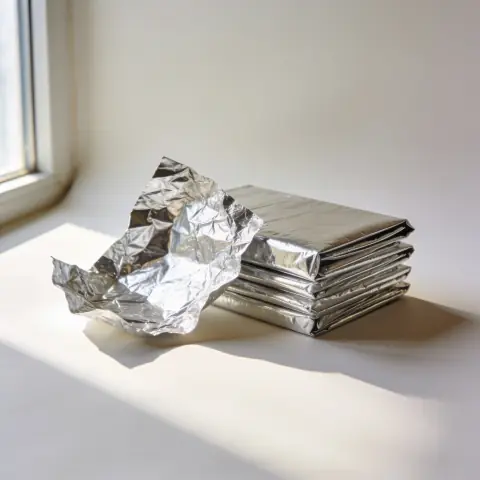
Light, cheap and reflects body heat. Pack several in grab bags and car kits.
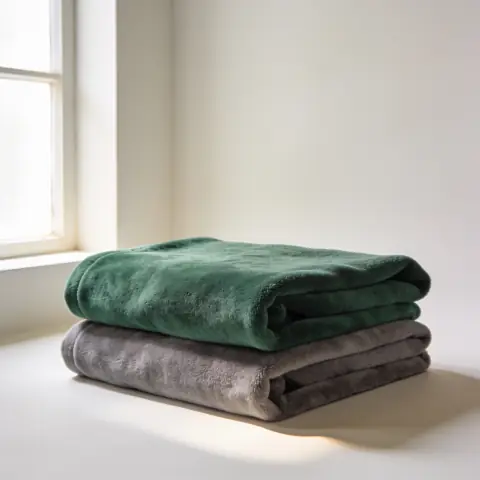
Buy nowHomes lose heat quickly when the heating goes off. GOV.UK recommends blankets, sleeping bags and warm clothing, and wearing several thin layers.
Light, cheap and reflects body heat. Pack several in grab bags and car kits.
Buy nowGOV.UK lists blankets because homes cool quickly when the heating goes off.
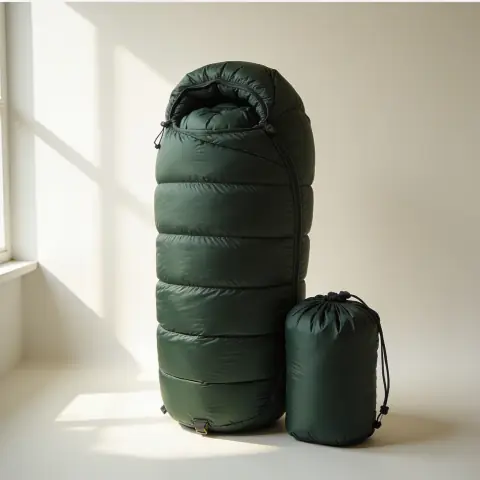
Buy nowNamed in the official checklist. A 3-season bag keeps you warm in an unheated winter home.
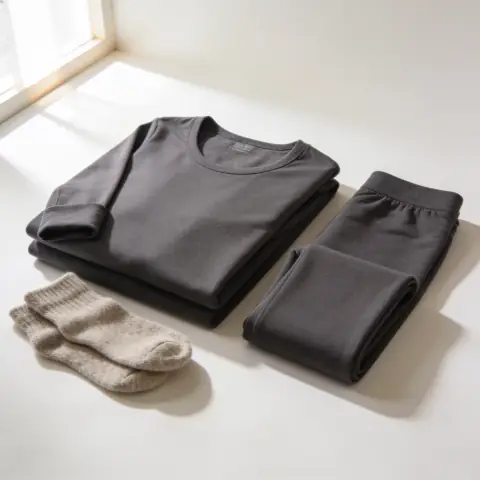
Buy nowGOV.UK advises several thin layers rather than one thick one. Thermals are the foundation.
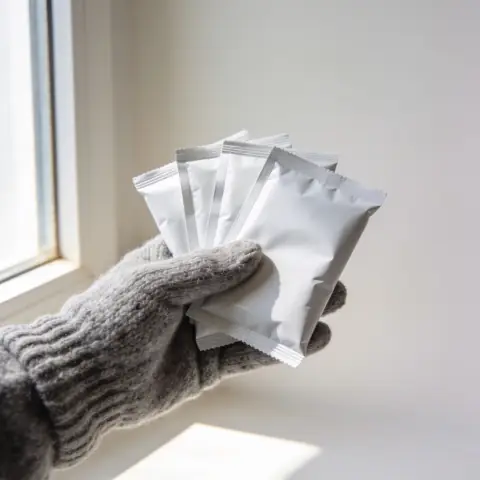
Buy nowAir-activated warmers that last for hours. Useful in car kits and for older relatives.
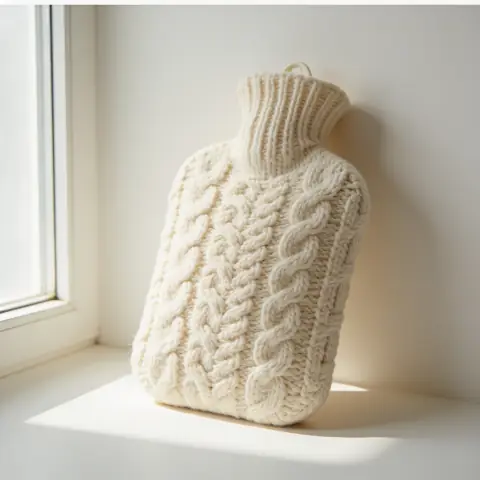
Buy nowOnce you can boil water, a hot water bottle keeps you warm overnight.
Buy nowGOV.UK’s cold weather guidance says block draughts and close doors to keep heat in.
Buy nowWhat GOV.UK advises for power cuts: torches not candles, a radio, cash, 3 days of water and food, and the 105 number.
Carbon monoxide alarms, warm layers, heating one room to 18°C and a winter car kit: GOV.UK cold weather advice.
What to put in an emergency grab bag in the UK, based on GOV.UK advice: medication, documents, torch, water, warm clothes and more.
A practical UK bug out bag list for 72 hours away from home, including what’s legal to carry, family kit and what to leave out.
The GOV.UK winter car kit list: torch, charger, warm clothes, blankets, hi-vis, jump leads, food, drink, snow shovel and first aid kit.
How to help elderly parents prepare for power cuts, storms and cold snaps: medication, telecare, the Priority Services Register and a simple kit.
What to do before, during and after a storm in the UK, based on GOV.UK advice: secure your home, charge devices, and stay safe from power lines.
A compact UK emergency kit for students, renters and small flats: what to keep when space is tight, plus your landlord’s safety duties.